What to Expect During Your Child's First Martial Arts Class
By Swanson's Martial Arts · November 14, 2026

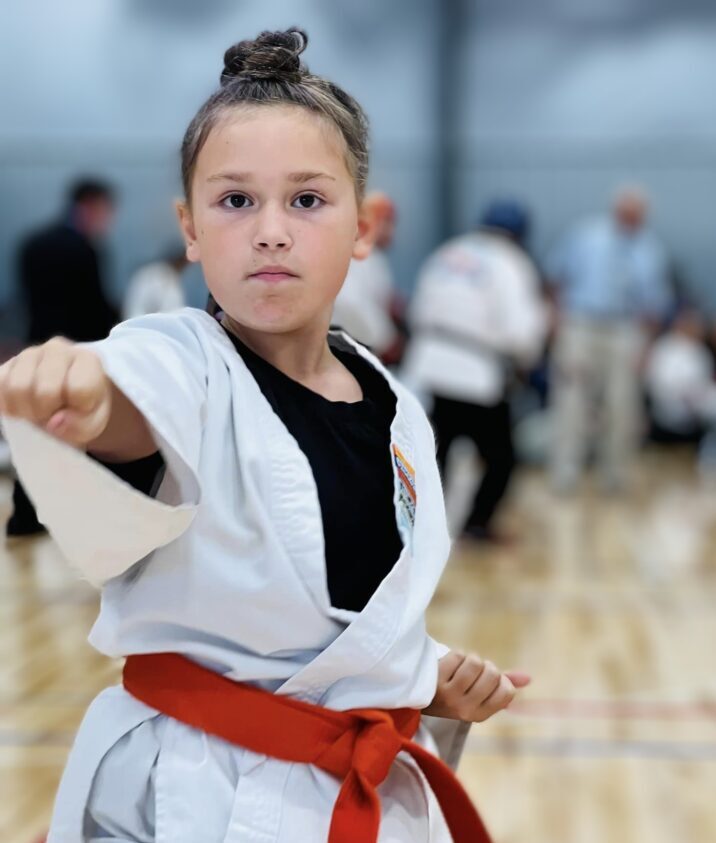
At Swanson's Martial Arts in Lincoln, Nebraska, we understand those concerns. For 30 years, we've helped children take those first steps onto the training floor, discover their abilities, and develop confidence that carries into everyday life. And here's something we want every parent to know: Your child doesn't need to be confident to start martial arts. Building confidence is part of what we do.
A Welcoming Environment Where Every Child Belongs
What Happens During a Typical Martial Arts Class?
Although classes vary based on age and experience, most of our Taekwondo classes follow a structured format that keeps students active, engaged, and learning.
1. Starting Class with Respect and Focus
Classes begin with students lining up and showing respect to their instructors and fellow students. This simple routine helps children transition from the distractions of the day into a mindset that's ready to learn. Students practice listening, following directions, and demonstrating courtesy toward others. These habits may seem small, but they're the foundation for developing greater self-control, discipline, and respect.
2. Warm-Ups and Physical Fitness
Next, it's time to get moving! Students participate in age-appropriate warm-ups designed to improve coordination, balance, flexibility, strength, and endurance. Depending on the class, these activities might include stretching, jumping, running, or exercises that challenge their agility. For younger students, we often incorporate fun activities that help develop important motor skills. The goal isn't just to get kids moving. It's to help them become more comfortable and confident using their bodies.
3. Learning Martial Arts Skills
This is where students begin developing their martial arts techniques. Depending on their age and rank, students practice skills such as:
Punches, blocks, and kicks
Proper stances and movement
Balance and body control
Taekwondo forms and combinations
Partner drills and practical self-defense skills
Our instructors demonstrate techniques, explain how they work, and give students opportunities to practice. We don't expect perfection, especially from beginners.
Instead, we emphasize effort, improvement, and perseverance. A kick that was difficult last week might become a little easier today. A student who struggled to remember a combination might suddenly perform it on their own. Those small victories matter because real confidence comes from doing something you once thought you couldn't do.
4. Developing Character and Life Skills
At Swanson's Martial Arts, what children learn about themselves is just as important as the kicks and punches they practice. Each month we focus on a new character skill. These conversations focus on important life skills such as respect, confidence, perseverance, responsibility, self-control, and integrity. Students are encouraged to think about how they can demonstrate these qualities not only during martial arts, but also at home and at school. For example, when we're discussing perseverance, we might ask: What should you do when something is difficult? What happens if you don't succeed the first time?
We want children to understand that challenges aren't something to fear. They're opportunities to grow. Our five Taekwondo tenets help guide these lessons: Courtesy, Integrity, Perseverance, Self-Control, and Indomitable Spirit.
5. Encouragement, Progress, and a Sense of Accomplishment
Throughout class, instructors provide feedback, recognize effort, and help students understand how they can improve. Sometimes that means celebrating a great kick. Other times, it means recognizing a student who kept trying even when something was difficult. Not every victory looks the same. For one child, success might be learning a challenging technique. For another, it might be raising their hand, speaking in front of the class, or participating without needing encouragement. We believe progress should be measured against who a child was yesterday, not against the student standing next to them. As students develop their skills, they also work toward belt promotions, giving them meaningful goals and opportunities to experience the satisfaction of earning an achievement.
What If My Child Is Shy, Nervous, or Has Trouble Focusing?
These are some of the most common concerns we hear from parents. And the answer is simple: That's one of the reasons martial arts can be so beneficial. A shy child doesn't have to become outgoing overnight. A child who struggles with focus won't suddenly have perfect attention after one lesson. Development takes time. We help students build these skills through consistent routines, achievable challenges, positive relationships, and opportunities to succeed. Sometimes the biggest breakthrough isn't a new belt or a perfect technique. It's the child who was afraid to participate suddenly volunteering to demonstrate. It's the student who used to give up quickly deciding to try one more time. It's the smile on a child's face when they realize, "I can do this!" Those are the moments that make martial arts so meaningful.
More Than Just Kicks and Punches
We often say that martial arts is about more than learning to kick and punch. It's about learning to stand tall when things get difficult. It's about discovering the courage to try something new. It's about developing the discipline to keep practicing, the character to treat others with respect, and the confidence that comes from earned accomplishments. It's also about community. At Swanson's Martial Arts, students encourage one another, celebrate each other's achievements, and learn that helping others succeed is part of becoming a leader. Because no one grows alone.
Ready to Experience a Class?
The best way to understand what martial arts can do for your child is to experience it firsthand. Swanson's Martial Arts offers age-appropriate programs for children, including Little Dragons for ages 4–6 and Beginners Class ages 7 and older.
Our school proudly serves families throughout Lincoln, Nebraska, and surrounding communities. Whether your child is outgoing or shy, athletic or just beginning to develop coordination, we're here to help them discover what they're capable of becoming.
Every child has greatness within them. We'd love to help yours discover it.
SHOW UP. KEEP GOING. BECOME MORE.